
SolutioNs
This page is a guide to understand the actuator meaning and how they can be used to improve performance and efficiency in industrial processes. We provide expert advice and creative solutions to help you enhance the performance of your machinery and equipment.
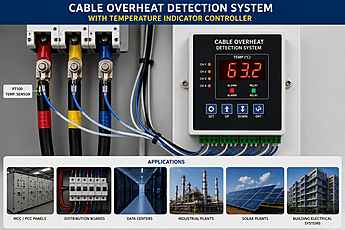
High Voltage Cable – Overheat Detection System with Temperature Indicator Controller
High Voltage Cable Overheat Detection is important for monitoring cable temperature and identifying abnormal heating before it causes cable damage or electrical failure. A high voltage cable overheat detection system uses temperature sensors and a temperature...
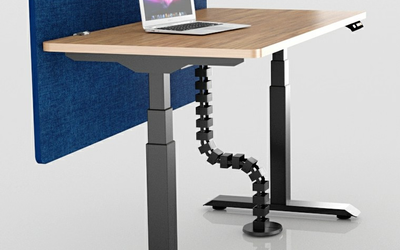
Electric Linear Actuator for Adjustable Workstation Height
Modern workplaces need flexible workstations that support different users, tasks, and working positions. An electric linear actuator for height adjustment provides a practical way to automate workstation movement with controlled and repeatable linear motion. Electric...

Linear Electric Actuators for Automated Louvers and Ventilation Systems
It all started with a phone call from a frustrated maintenance manager at a textile factory in Coimbatore. “We’re tired of relying on manual louver adjustments. It’s hot, the air feels trapped, and our power bills are going up. Is there a way to automate all this…...

Linear Actuator in the Healthcare Industry
In healthcare, linear actuator help adjust hospital beds, dental chairs, and patient lifts. They enable smooth, precise movement to improve comfort and accessibility. For example, they let beds tilt or raise safely, aiding patient care and recovery with ease. Buy Now...
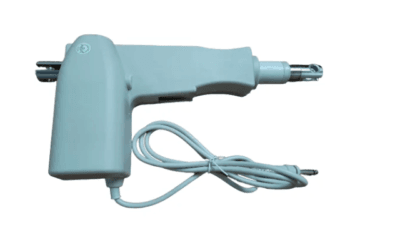
Electric Actuators in the Reflective Panel Operations
India is home to numerous manufacturers specializing in Electric Actuators in Reflective Panel, providing a wide range of options for different applications. Companies like Kathir Sudhir Automation Solutions offer innovative solutions tailored to meet the specific...
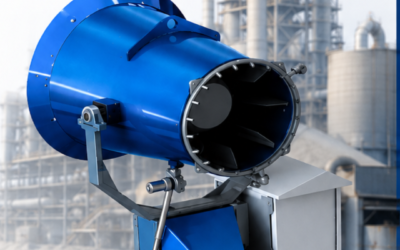
Odor Control Using Electric Actuators in the Cement Industry
The cement industry plays a vital role in infrastructure development, but it also faces challenges related to environmental control and workplace safety. One of the major concerns in cement plants is odor generation from material handling, waste processing, sludge...
Frequently Asked Questions(FAQ)
What Applications are Linear Actuators commonly used in?
How can Linear Actuators be used in Robotics and Automation?
Are electric actuators energy-efficient?
Yes, electric actuators are generally energy-efficient due to the high efficiency of electric motors and the ability to control their movement accurately. They consume energy only when actively operating, and their power consumption can be optimized through proper control strategies, resulting in energy savings compared to other actuation technologies.
Are there any maintenance requirements for electric actuators?
Electric actuators generally require less maintenance compared to hydraulic or pneumatic actuators. However, routine inspections, lubrication of moving parts (if applicable), and periodic checks of electrical connections are recommended. It is also important to follow the manufacturer’s guidelines for specific maintenance requirements.
Can electric actuators be controlled remotely?
Yes, electric actuators can be controlled remotely using various methods. They can be operated using wired control signals, such as analog or digital inputs from a controller. Additionally, wireless control options, such as radio frequency or Bluetooth, can also be used for remote actuator control.
What factors should be considered when selecting an electric actuator?
When selecting an electric actuator, factors to consider include the required motion (linear or rotary), load capacity, speed and acceleration requirements, environmental conditions (such as temperature or hazardous areas), power supply availability, control options, and compatibility with the application and system.