
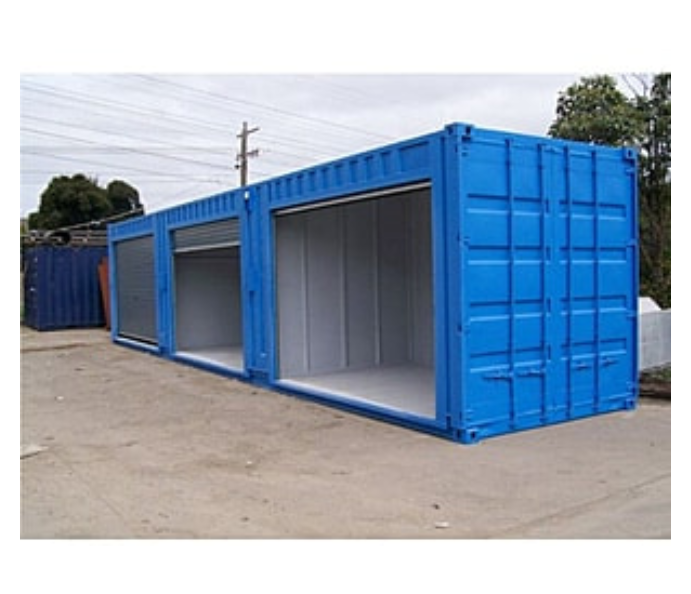
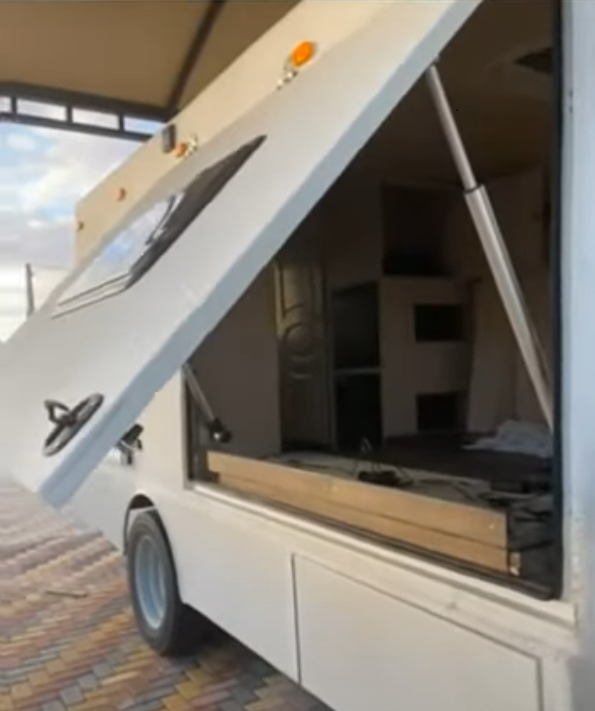
Container house are becoming increasingly popular due to their affordability, sustainability, and versatility. One of the key aspects of enhancing a container home’s functionality is automating its doors and windows. A great way to achieve this is by using electric linear actuators, which provide a seamless and efficient method for opening and closing these essential access points.
Why Use Electric Linear Actuators?
Electric linear actuators offer a host of benefits when it comes to automating container house doors and windows:
- Convenience: Easily control doors and windows remotely.
- Energy Efficiency: Operates on low power consumption.
- Security: Enhances protection by allowing automatic locking mechanisms.
- Weather Protection: Automatically close windows during extreme weather conditions.
- Smart Integration: Compatible with home automation systems.
Technical Specifications of Electric Linear Actuators
| Parameter | Specification Range |
|---|---|
| Load Capacity | 500N – 10,000N |
| Stroke Length | 50mm – 1000mm |
| Speed | 5mm/s – 100mm/s |
| Voltage Options | 12V, 24V, 48V DC |
| IP Rating | IP65 – IP69K |
| Operating Temperature | -40°C to 85°C |
How to Use Electric Linear Actuators for Doors and Windows
1. Choosing the Right Actuator
The first step is selecting the correct electric linear actuator for your needs. Consider:
- Load Capacity: Ensure the actuator can handle the weight of the door or window.
- Stroke Length: Determines how far the actuator will extend or retract.
- Speed: Defines how quickly the door or window opens and closes.
- Power Source: Choose between AC or DC power depending on your setup.
2. Installing the Actuator
Follow these steps for installation:
For Doors:
- Mounting the Actuator: Secure the actuator to the door frame and the door itself.
- Power Connection: Connect the actuator to the power source and control unit.
- Setting the Open/Close Limits: Adjust the actuator’s range of motion to avoid overextension.
- Testing: Check the movement to ensure smooth operation.
For Windows:
- Attaching the Actuator: Fix the actuator to the window frame and the movable section of the window.
- Electrical Setup: Wire the actuator to the control system.
- Programming the Opening Range: Set the actuator’s limit for how much the window should open.
- Final Testing: Ensure the window opens and closes smoothly.
3. Automating Control
Once installed, you can control the actuators in various ways:
- Manual Switch: A simple wired switch to operate the doors/windows.
- Remote Control: Wireless operation for added convenience.
- Smart Home Integration: Use a smartphone app, voice assistant (Alexa, Google Assistant), or a home automation system.
- Weather Sensors: Automatically close windows when it rains or when strong winds are detected.
Final Thoughts
Using electric linear actuators for doors and windows in a container house brings modern convenience, security, and energy efficiency. Whether you’re looking for remote access, smart home integration, or enhanced security, this system is a game-changer. By choosing the right actuators, installing them properly, and integrating smart controls, you can transform your container house into a fully automated, futuristic living space.
Are you planning to automate your container house doors and windows? Let us know your thoughts and experiences in the comments below!
Thanks for the Article