
SolutioNs
This page is a guide to understand the actuator meaning and how they can be used to improve performance and efficiency in industrial processes. We provide expert advice and creative solutions to help you enhance the performance of your machinery and equipment.
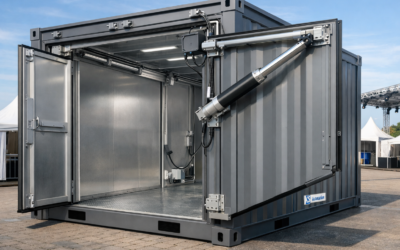
Best Linear Actuator technology for the Event Container Door Automation
Event container doors need strong and reliable automation. However, not all actuator systems perform well outdoors. Therefore, choosing the right linear actuator is essential for smooth movement and safety. In addition, a good system improves efficiency and reduces...
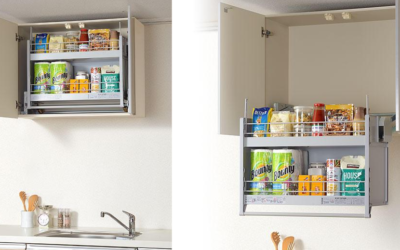
Buy Automatic Cabinet & Drawer with Powerful Linear Actuator in Chennai
If you want a smarter kitchen, automatic cabinet and drawer systems are a great upgrade. In Chennai, many homeowners and industries are now choosing linear actuator-based solutions. These systems offer smooth, touch-based operation and a modern look. As a result, they...
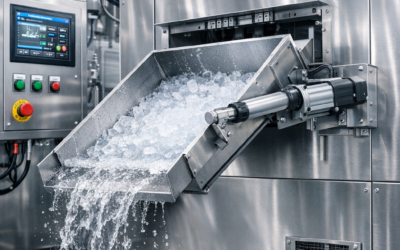
Visit Kathir Sudhir for Ice Machine Flushing Tray with the Linear Actuator Technology
When you’re looking for a reliable solution to automate ice machine flushing trays, Kathir Sudhir Automation is a trusted destination. Their customized linear actuator systems are designed specifically for hygienic and efficient ice machine operations. If your goal is...
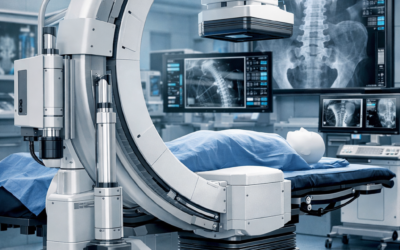
What is a C-Arm & How Electric Actuators Are Used in It?
A C-Arm is a medical imaging device widely used in hospitals and surgical centers to provide real-time X-ray images during medical procedures. It features a distinctive C-shaped arm that connects the X-ray source and detector, allowing doctors to capture images from...

Height-Adjustable Walking Aids Powered by a Revolutionary Linear Actuator
Height-adjustable walking aids with linear actuator help users change height with a remote. Because the system is motorized, no force is needed. As a result, posture stays correct and movement feels safe. Overall, these aids improve comfort, confidence, and daily...

How to Lift and Carry Loads Using Linear Actuator
Linear actuator lift and carry loads by converting rotary motor motion into precise linear push/pull force through a screw mechanism, enabling controlled vertical, horizontal, or angled movement. By selecting the right force, stroke, speed, and control (12V/24V DC...
Frequently Asked Questions(FAQ)
What Applications are Linear Actuators commonly used in?
How can Linear Actuators be used in Robotics and Automation?
Are electric actuators energy-efficient?
Yes, electric actuators are generally energy-efficient due to the high efficiency of electric motors and the ability to control their movement accurately. They consume energy only when actively operating, and their power consumption can be optimized through proper control strategies, resulting in energy savings compared to other actuation technologies.
Are there any maintenance requirements for electric actuators?
Electric actuators generally require less maintenance compared to hydraulic or pneumatic actuators. However, routine inspections, lubrication of moving parts (if applicable), and periodic checks of electrical connections are recommended. It is also important to follow the manufacturer’s guidelines for specific maintenance requirements.
Can electric actuators be controlled remotely?
Yes, electric actuators can be controlled remotely using various methods. They can be operated using wired control signals, such as analog or digital inputs from a controller. Additionally, wireless control options, such as radio frequency or Bluetooth, can also be used for remote actuator control.
What factors should be considered when selecting an electric actuator?
When selecting an electric actuator, factors to consider include the required motion (linear or rotary), load capacity, speed and acceleration requirements, environmental conditions (such as temperature or hazardous areas), power supply availability, control options, and compatibility with the application and system.