
SolutioNs
This page is a guide to understand the actuator meaning and how they can be used to improve performance and efficiency in industrial processes. We provide expert advice and creative solutions to help you enhance the performance of your machinery and equipment.
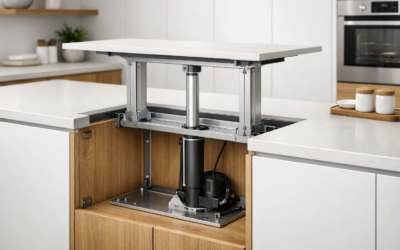
Proven Pop-Up Counters with the help of Linear Actuator
Today, smart design is all about saving space. At the same time, users expect comfort and automation. Because of this, pop-up counters using linear actuator are becoming very popular in homes and commercial spaces. These systems allow counters, appliances, or displays...
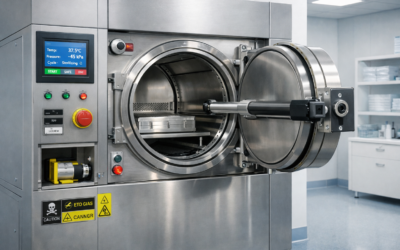
Revolutionary ETO Cartridge Autoclave Open With The Electric Actuator
Ethylene Oxide (EtO) sterilization is common in medical use. In simple words, it is used when heat is not safe. Because of this, ETO cartridge autoclaves are widely used. At the same time, electric actuator are very important. In fact, they move doors and valves. As a...
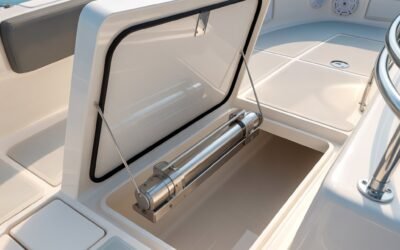
Boat Hatch Up & Down Usin Actuator: A Complete Guideg Linear
Opening a boat hatch by hand is not easy. It can also be unsafe on water. Because of this, many boat owners use linear actuator. A linear actuator moves the hatch up and down with a switch. As a result, the hatch opens smoothly and closes firmly. Actuators from...
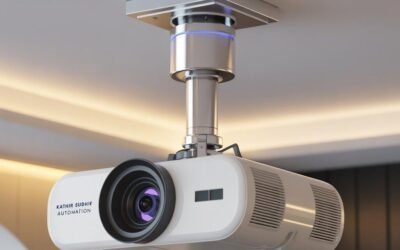
Projector Up and Down Using a Linear Actuator: A Complete Guide
Integrating a projector into a modern media room, classroom, or planetarium often requires more than simply mounting it on the ceiling. Many users want a clean, hidden setup where the projector smoothly descends when needed and retracts when not in use. This is where...

Automating Sunshade Open-Close Applications with Electric Actuators
In today’s fast-paced world, automation is no longer a luxury but a necessity. From smart homes to commercial spaces, the demand for efficient and reliable automation solutions is on the rise. One such application that has gained significant attention is the...

Six Actuators Push and Pull System with Customized Control Unit
In the world of automation and precision control, actuator systems play a crucial role in ensuring smooth, synchronized movement. A six actuators push and pull system offers enhanced functionality, allowing for precise linear motion in various industrial and...
Frequently Asked Questions(FAQ)
What Applications are Linear Actuators commonly used in?
How can Linear Actuators be used in Robotics and Automation?
Are electric actuators energy-efficient?
Yes, electric actuators are generally energy-efficient due to the high efficiency of electric motors and the ability to control their movement accurately. They consume energy only when actively operating, and their power consumption can be optimized through proper control strategies, resulting in energy savings compared to other actuation technologies.
Are there any maintenance requirements for electric actuators?
Electric actuators generally require less maintenance compared to hydraulic or pneumatic actuators. However, routine inspections, lubrication of moving parts (if applicable), and periodic checks of electrical connections are recommended. It is also important to follow the manufacturer’s guidelines for specific maintenance requirements.
Can electric actuators be controlled remotely?
Yes, electric actuators can be controlled remotely using various methods. They can be operated using wired control signals, such as analog or digital inputs from a controller. Additionally, wireless control options, such as radio frequency or Bluetooth, can also be used for remote actuator control.
What factors should be considered when selecting an electric actuator?
When selecting an electric actuator, factors to consider include the required motion (linear or rotary), load capacity, speed and acceleration requirements, environmental conditions (such as temperature or hazardous areas), power supply availability, control options, and compatibility with the application and system.