Industries need linear motion control, and actuator linear technology is vital for precision and efficiency. Whether it’s in manufacturing, robotics, or automation, mastering actuator linear control can boost performance and productivity.
Actuator linear technology uses an actuator to convert rotary motion into linear motion, letting engineers and operators optimize their systems. Actuators come in electric, hydraulic, or pneumatic types, controlling the movement of different components in a system.
Actuator linear technology provides precise control over movement in small increments, critical for applications requiring accuracy, and can generate high force output for many industrial applications.
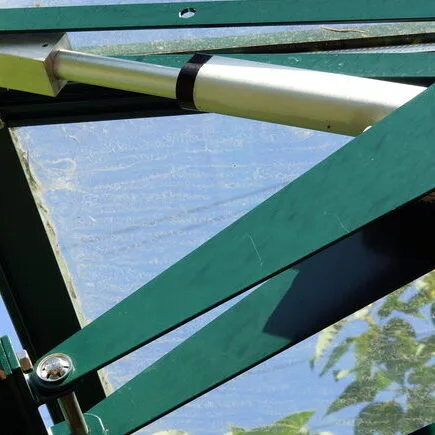
Types of Linear Motion
To master actuator linear technology, it’s crucial to understand different actuator types, like electric, hydraulic, and pneumatic, and choose the right one based on force output, speed, precision, and environmental considerations.
Controlling actuator movement actively is also vital in mastering actuator linear technology. Operators can use a control system to program the actuator’s movement, ensuring precise movement for the application.
Conclusion
In conclusion, mastering actuator linear technology is essential for precise and efficient industrial applications. Understanding different actuator types, selecting the right one, and actively fine-tuning the control system can lead to optimal performance. Our guide to linear motion control can help you achieve success.

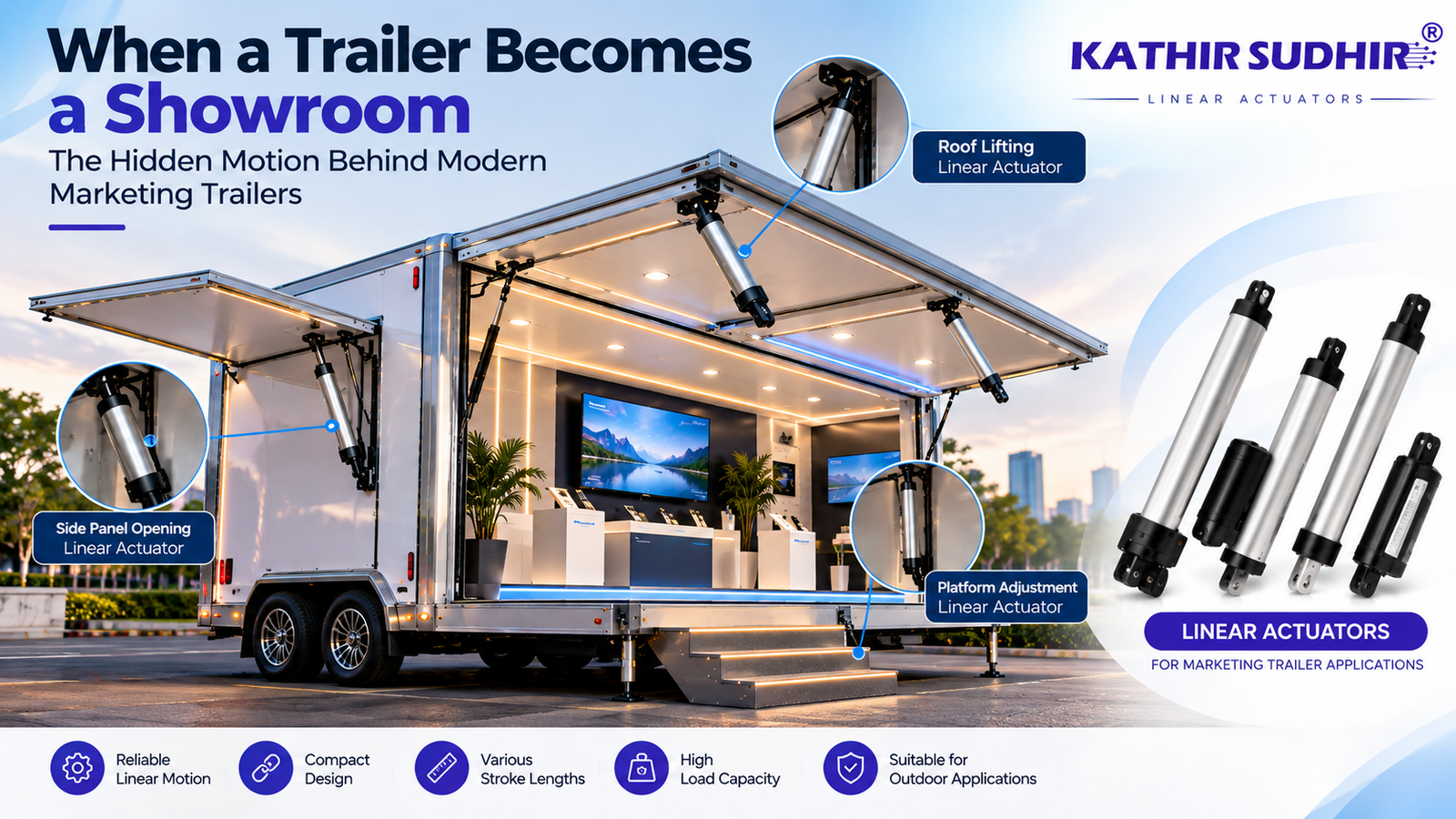
Linear Actuator Applications in Marketing Trailers
Transform Your Marketing Trailer with Powerful Linear Actuators: Smart Motion for Mobile Showrooms A Linear Actuator Application by KathirSudhir Automation Imagine a marketing trailer arriving at a busy location.A few minutes ago, it looked like an ordinary enclosed trailer. Then, with the push of a button, panels lift, displays extend, a canopy rises, and the…

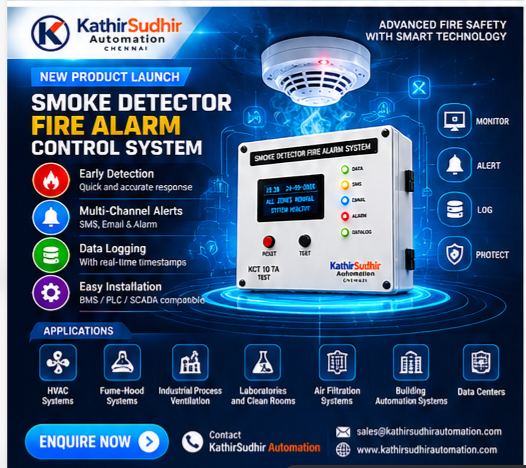
Smoke Detection System for Smart Fire Safety
A Smoke Detection System is an important fire safety solution designed to detect smoke at an early stage and provide immediate alerts. Modern smoke detection systems can continuously monitor protected areas and notify users through alarm outputs, SMS and email alerts. For industrial facilities, laboratories, clean rooms, HVAC systems, data centers and commercial buildings, a…

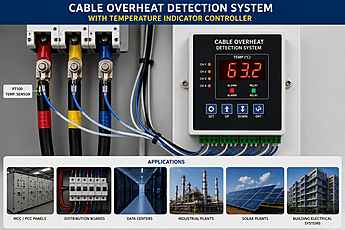
High Voltage Cable – Overheat Detection System with Temperature Indicator Controller
High Voltage Cable Overheat Detection is important for monitoring cable temperature and identifying abnormal heating before it causes cable damage or electrical failure. A high voltage cable overheat detection system uses temperature sensors and a temperature indicator controller to continuously monitor cable temperature and provide an alarm when the temperature exceeds a predefined limit. What…